Context, Intent and Target Group
Background Information
Within the Manchester school population, around 19% of pupils have SEND (census report October 2022). It is worth mentioning that one in five people in England have a long-standing limiting disability or illness. Sport England Active Lives Adult Survey data shows disabled people are almost twice as likely to be physically inactive (43%), compared with those without a disability (23%).
Creating an attractive, fun and accessible programme of Inclusion events and festivals for children and young people with additional needs in Manchester provides opportunities to stay active as well as shows different ways and possibilities to participate in sports.
What was the aim of work?
The aim of the work was to increase the participation and positive experience for children and young people by providing a wide range of SEND events. Introducing new sports into the Manchester programme, for example Ten Pin Bowling, creating opportunities to take part in the competitive sport and offering a regional pathway through Greater Manchester and North West competitions. Engaging key stakeholders: Panathlon in delivering/supporting number of events and secondary schools through the high quality of leadership opportunities.
Which outcome(s) did it focus on?
- 2. To ensure all competition has a clear intent and creates positive experiences based on the motivation, competence and confidence of the young people that need our support the most
- 4. To support the personal development of targeted young people through youth engagement and leadership
- 5. To advocate and engage key stakeholders on the value of School Games to support local provision and improve the experience for young people and their families
Which expectation(s) did it meet?
- Using the events calendar to upload a termly offer of events and activities with a clear intent, updated once each term.
- Using local insight and youth engagement to identify young people and schools that would most benefit from a targeted School Games offer.
- Developing a case study to show where you have made the most impact against local priorities, and through effective storytelling share your learning locally and nationally.
- Collaborating with key partners to inform the local and county offer to tackle inequalities and ensuring inclusive and safe practice.
- Work with schools to maintain and grow their active engagement in School Games.
- Identify schools that are not engaged and developing strategies to improve this.
- Develop a communication plan to boost the profile of the host site and demonstrates the value of school sport to other schools in the area.
- Establish a clear method of communication with all schools within the SGO area.
- Co-ordinate and signpost schools and young people to a programme of relevant training of leadership, coaching, volunteering and officiating experiences.
- Co-design and deliver a broad and balanced School Games offer that is informed by insight and youth engagement and embeds positive experiences. It is expected that an SGO will facilitate a minimum of 12 targeted inter competitions/events/festivals with clear intent.
- New SGOs are required to attend a national virtual and face-to-face induction during your first year of being appointed (ideally within your first term) and engage with your Development Coach.
Community links
- Active Partnerships
- SEND leads / SENCO
Intent
The intent of the work was to continue with providing a selection of sporting experiences for the children and young people with disabilities. Offering a wide range of sports, experience competitiveness and pathway to those who are disadvantage and less active. According to the Sport England research, the disabled people and people with a long-term health condition are twice as likely to be physically inactive than those without a disability or health condition. There are deep-rooted inequalities in sport and physical activity, which mean there are people who feel excluded from being active because the right options and opportunities aren’t there. Exposing children and young people with disabilities to physical activities, creating the right options, sports and competitions could change their mindset and embed the physical literacy into their lives.
Target group
- Behavioural Challenges
- SEND
- A physical disability (e.g. problems moving around unaided)
- A cognitive disability (e.g. problems thinking or remembering)
- A sensory disability (e.g. problems with vision or hearing)
- A mental health or emotional disability (e.g. problems with mood)
- A communication or social relationships disability (e.g. autism, Asperger's, ADHD)
- Any other disability
- Targeted Groups of Young People
Aligns to Schools Games Intents of:
- Develop confidence and competence within physical activity/sport skills
- Increase regular participation and motivation
- Improve knowledge and understanding of sport and physical activity
- Build social skills and connections (i.e. sense of belonging)
- Engage new/target groups of young people (tackling inequalities)
- Provide inclusive opportunities
- Promote success and achievement
- Develop leadership, character, life skills
- To engage/influence wider stakeholders
- Create positive experiences
Implementation
- 19 local events were delivered throughout this academic year;
- 7 events offered regional pathway, Greater Manchester and North West;
- activities were delivered by Team MCR staff, Panathlon and Athletics Clubs (Sale and Manchester Harriers);
- secondary schools were involved in hosting events and providing young leaders; other hosting sites: North City Leisure Centre, Wythenshawe Park, Parrs Wood Centre, Plat Lane Complex, Manchester Athletics Arena
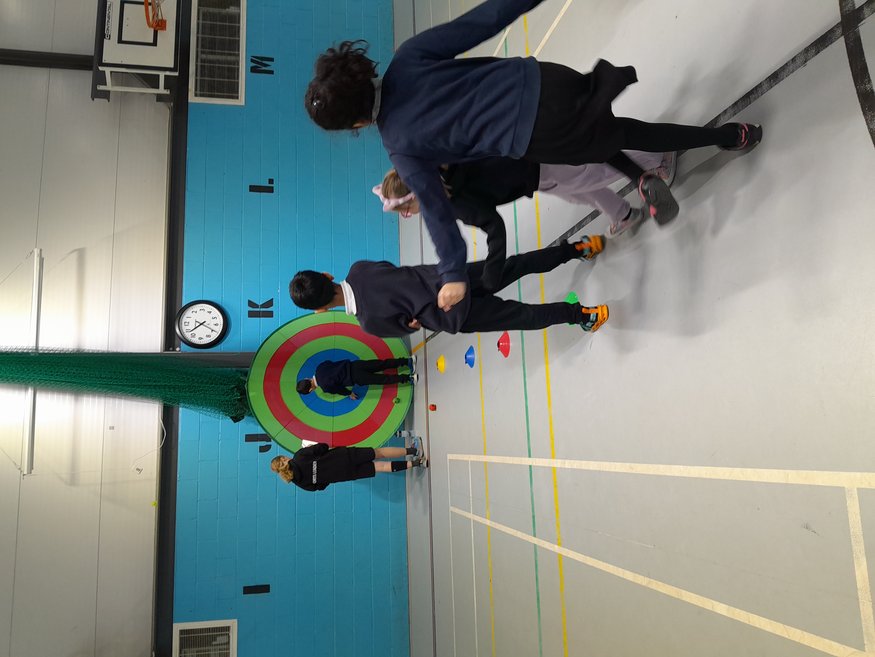
- wide range of sports, Boccia, New Age Kurling, Cross Country, Athletics, Swimming, Tri Golf, Goalball and Ten Pin Bowling;
- Ten Pin Bowling added to the programme
Impact
The work engaged targeted group of students from special and mainstream schools, within KS2-KS4:
- students with SEND;
- students who are inactive, have low or lack of confidence, behavioural and emotional needs.
The work reached Manchester school population, including mainstream and special schools, throughout the academic year:
- over 800 students took part in the events;
- the events covered 8 different sports;
- pathway offered to a number of sports, where the winners could represent Manchester at the GM and NW finals; North West Boccia Primary Champions for Manchester School, Button Lane!
Introducing Ten Pin Bowling to the Team MCR programme had been extremely popular, the booking reached the full capacity withing a day with 24 teams taking part.
Majority of the events involved the leadership programme and support from the host school
- over 80 young leaders were supporting the events, helping with the umpiring and handling the equipment;
- the high quality leadership were taught throughout the academic year;
- opportunities of working alongside children and young people with disabilities were created;
The work has reached the most needed group of pupils, exposing them to the world of sport and activities, providing an experience of competing, representing school, winning medals and being part of a team. The benefits were clearly noticed on children's faces, the staff comments and fantastic feedbacks.
Being based at the secondary school who attended a numerous SEND events, I was often stopped by the pupils who I met at the competitions who listened to comments such as :
- I won a medal! This is the first medal!
- This was my best day ever!
- When are we going next?
Challenges
The main challenge was to support the schools who struggled with the transport and couldn't attend the events. To support them, I have listed the competitions who were the closest as well as offered to be the host sites.
Late cancellations of schools who were meant to attend was another challenge, this was mainly due to the staffing issues. I couldn't involve another school/s as there wasn't enough notice, and with some events having a waiting list the places were still unable to fill.
After speaking to teachers, I have identified that the visuals of the venues could support certain students and prepare them to attend the event.
What was achieved?
Creating a huge numbers of opportunities to participate in sports and competing for over 800 students in Manchester! Giving young people a chance to showcase their skills and abilities throughout the sport and activities.
Sustainability
Continue offering a wide range of sports and introducing new sports that have been identified throughout this year, example: tag rugby, cricket, volleyball.
Sharing the inclusion calendar with the schools at the start of the year, including the Greater Manchester and North West pathway's dates.
Providing the clear communication with the schools, offering support and resources.
Continue working with Panathlon and other partners; developing the collaboration throughout early planning of the events, sharing feedbacks and identifying needs of Manchester schools.
Continue developing the leadership programme and involving the secondary schools as hosts.
Top tips
Top tips
Encourage schools to access the inclusion programme.
Reach out to the partners and involve community links.
Introduce Panathlon events into the programme.
The biggest learning from this work was realising how rewarding this process has been, offering the programme to those who need it the most and creating sporting and active environment that is accessible to everyone.
Related sport/s
- Athletics
- Boccia
- Goalball
- Golf
- Multi-Skills
- New Age Kurling
- Swimming and Aquatics
- Change4Life Club/Festival
- Curling
- Leadership Training
- Tenpin Bowling