Context, Intent and Target Group
Background Information
Following feedback from schools and a review of participation data, a need was identified to increase the number of targeted opportunities available for children and young people with Special Educational Needs and Disabilities (SEND) to engage in sport and physical activity. In response, a new inclusive offer has been developed in partnership with Sensory Movement Space to provide a positive, accessible and engaging experience tailored to the needs of pupils with SEND.
To ensure the opportunity reached those most likely to benefit, data from the Youth Sport Trust (YST) and local level insight has been used to identify and prioritise schools with the highest percentage of pupils with SEND. This evidence-based approach enables resources to be targeted effectively and supports efforts to address inequalities in participation.
The Sensory Movement Space event/roadshow forms part of the wider commitment to creating an inclusive physical activity offer, reducing barriers to engagement and providing meaningful opportunities for young people with SEND to develop confidence, social connections and enjoyment through movement. The feedback and insight gathered through this area of work will continue to inform future planning and development, ensuring that provision remains responsive to the needs of schools, pupils and the wider community.
What was the aim of work?
The aim of this work was to increase participation opportunities for children and young people with Special Educational Needs and Disabilities (SEND) by developing and delivering a targeted inclusive offer in response to identified need and feedback from schools. Collectively we wanted to:
- Provide more accessible and meaningful opportunities for pupils with SEND to engage in sport and physical activity.
- Reduce barriers to participation and ensure that young people who may be less likely to access traditional sporting opportunities are able to take part.
- Increase confidence, enjoyment and social interaction through positive physical activity experiences.
- Use local data and school feedback to target support where it is needed most, ensuring provision is both equitable and impactful.
- Strengthen the overall inclusive offer across the borough.
- Support schools in promoting inclusive physical activity and creating pathways for sustained engagement in sport and movement.
By targeting schools with the highest proportion of pupils with SEND, the work aimed to ensure resources were directed towards those most likely to benefit, helping to create a more inclusive and accessible physical activity landscape for all young people.
Which outcome(s) did it focus on?
- 1. To advocate and position the delivery of the CMO daily active minutes for all young people, as a universal offer to maintain and grow school engagement
- 2. To ensure all competition has a clear intent and creates positive experiences based on the motivation, competence and confidence of the young people that need our support the most
Which expectation(s) did it meet?
- Using local insight and youth engagement to identify young people and schools that would most benefit from a targeted School Games offer.
- Collaborating with key partners to inform the local and county offer to tackle inequalities and ensuring inclusive and safe practice.
- Work with schools to maintain and grow their active engagement in School Games.
Community links
- Active Partnerships
- Community sports clubs
- Leisure providers
- SEND leads / SENCO
Intent
To increase engagement opportunities for children with SEND by introducing a new inclusive event in partnership with Sensory Movement Space, informed by school feedback, and targeting participation from schools identified through YST data as having the highest proportion of pupils with SEND.
Target group
- Primary Schools
- Secondary Schools
- SEND
- A physical disability (e.g. problems moving around unaided)
- A cognitive disability (e.g. problems thinking or remembering)
- A communication or social relationships disability (e.g. autism, Asperger's, ADHD)
- Any other disability
Implementation
Our inaugural event took place at Melton Sports Village, the local leisure centre, bringing together four targeted groups from three local schools for one-hour sessions delivered by Ella from Sensory Movement Space. Sessions were limited to 15 pupils with SEND to ensure a supportive and tailored experience.
Four sessions were delivered throughout the day, with schools attending individually. To further reduce barriers to participation, the final session was delivered at the local special school for pupils with Profound and Multiple Learning Disabilities (PMLD). Activities were adapted to meet individual needs, enabling all children to engage, achieve success and enjoy taking part (see attached activities overview).
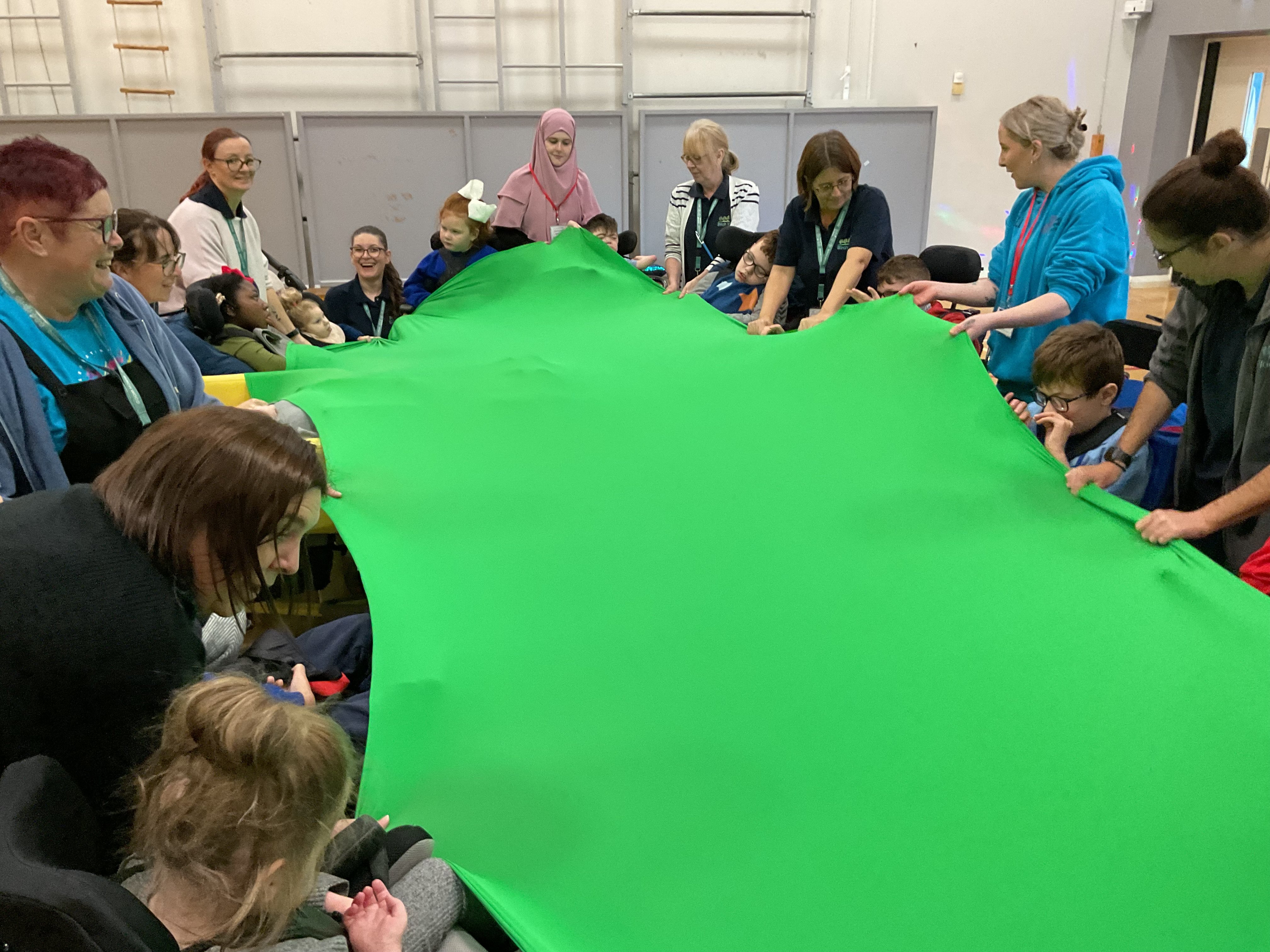
A video reel capturing the day can be viewed here. Schools represented included Sherard, Captains Close and Birch Wood (two groups).
Birch Wood also created a Facebook reel to share with a parents and caregivers which can be seen here.
Following the success of the Autumn term event, additional funding from Public Health Leicestershire enabled us to deliver a further block of six sessions with a group of 10 EYFS pupils at Birch Wood Special School.
The success of the autumn term event, combined with additional funding secured through our Active Partnership, led to the delivery of a second event delivered as a roadshow during the summer term. Based on feedback from schools and participants, delivery was adapted to take place directly within school settings and session lengths were reduced to 45 minutes. This approach enabled a further three schools to participate, including two primary schools with specialist provision, increasing both accessibility and engagement.
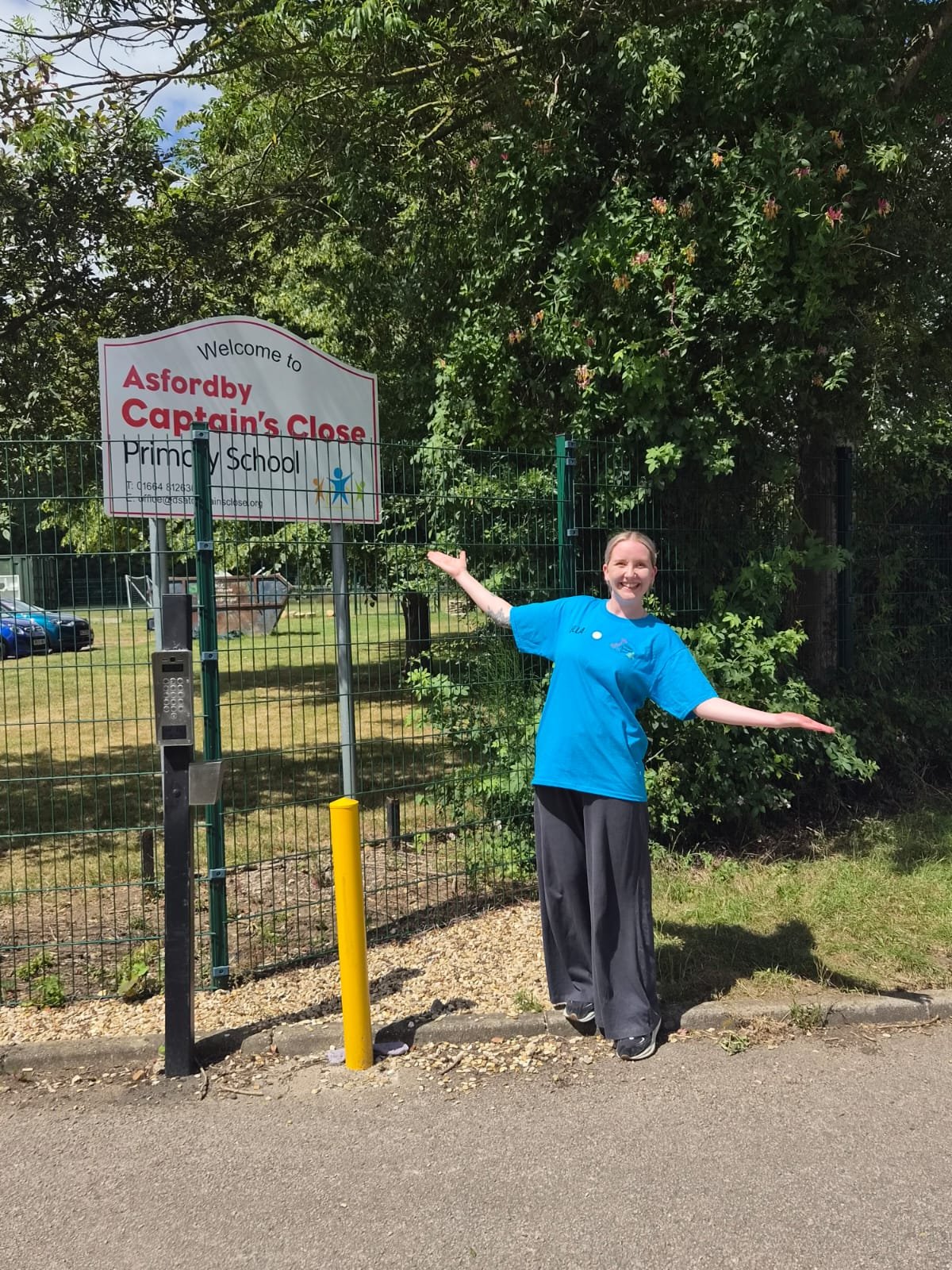
"Our Sensory Movement and Inclusive Dance programmes were developed particularly for children and young people with SEND. Extracurricular activities and traditional sports can be difficult for some children to access, whereas our work suits all abilities and ages, emphasising play through movement. We delivered engaging and appropriate sessions to mainstream and specialist provisions across the borough, and were pleased with the engagement across all sites. We used props, costumes, instruments and teaching tools in our sessions to encourage sensory exploration and development, finding that many children with SEND are sensory seeking. Although dance and physical activity are main parts of our offering, we noticed children benefitted from gaining confidence and communication skills - particularly those who are pre-verbal". Ella from Sensory Movement Space
Impact
Event Success
- In total, 7 groups from 6 schools engaged in the event/roadshow, including four specialist provisions and one secondary school, increasing access to inclusive physical activity opportunities.
- Across the two events, 70 children with SEND participated, including 15 girls, 45 boys, 2 pupils from ethnically diverse communities (EDC), and 30 pupils eligible for free school meals (FSM).
- Reflection and feedback from the first event led to the roadshow model being adapted, taking activities directly into schools to provide a more familiar, safe and accessible environment for participants which had a positive impact on pupil engagement.
- The success of the initial Autumn term event led to the delivery of a roadshow in the Summer term, increasing opportunities for participation and engagement.
- Working in partnership with Sensory Movement Space improved accessibility and enabled more children with SEND to engage confidently in the sessions.
- Incorporating tactile sensory experiences proved highly effective, with children responding particularly positively to the use of parachutes, props and a variety of textures that encouraged exploration through movement.
- Activities targeting vestibular development were especially popular. Opportunities for spinning, movement exploration and the use of ribbons generated high levels of engagement and enjoyment.
- Activities supporting proprioceptive development, including jumping, stomping and holding body shapes, provided children with valuable opportunities to develop body awareness, coordination and movement confidence.
Funding Success
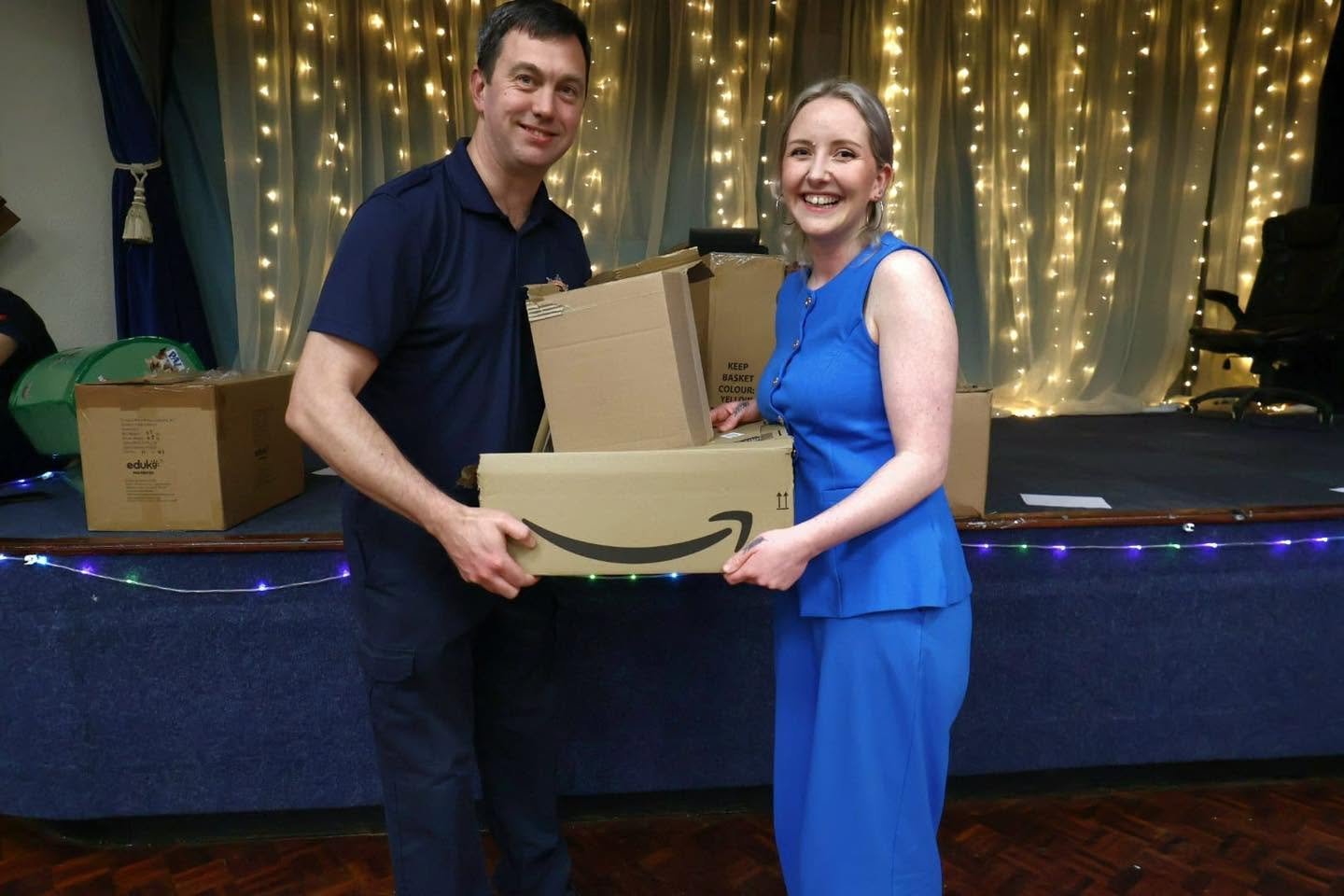
- We successfully secured funding from the local Trumpton Fund, enabling the purchase of equipment to enhance the quality and sustainability of session delivery.
Community Success
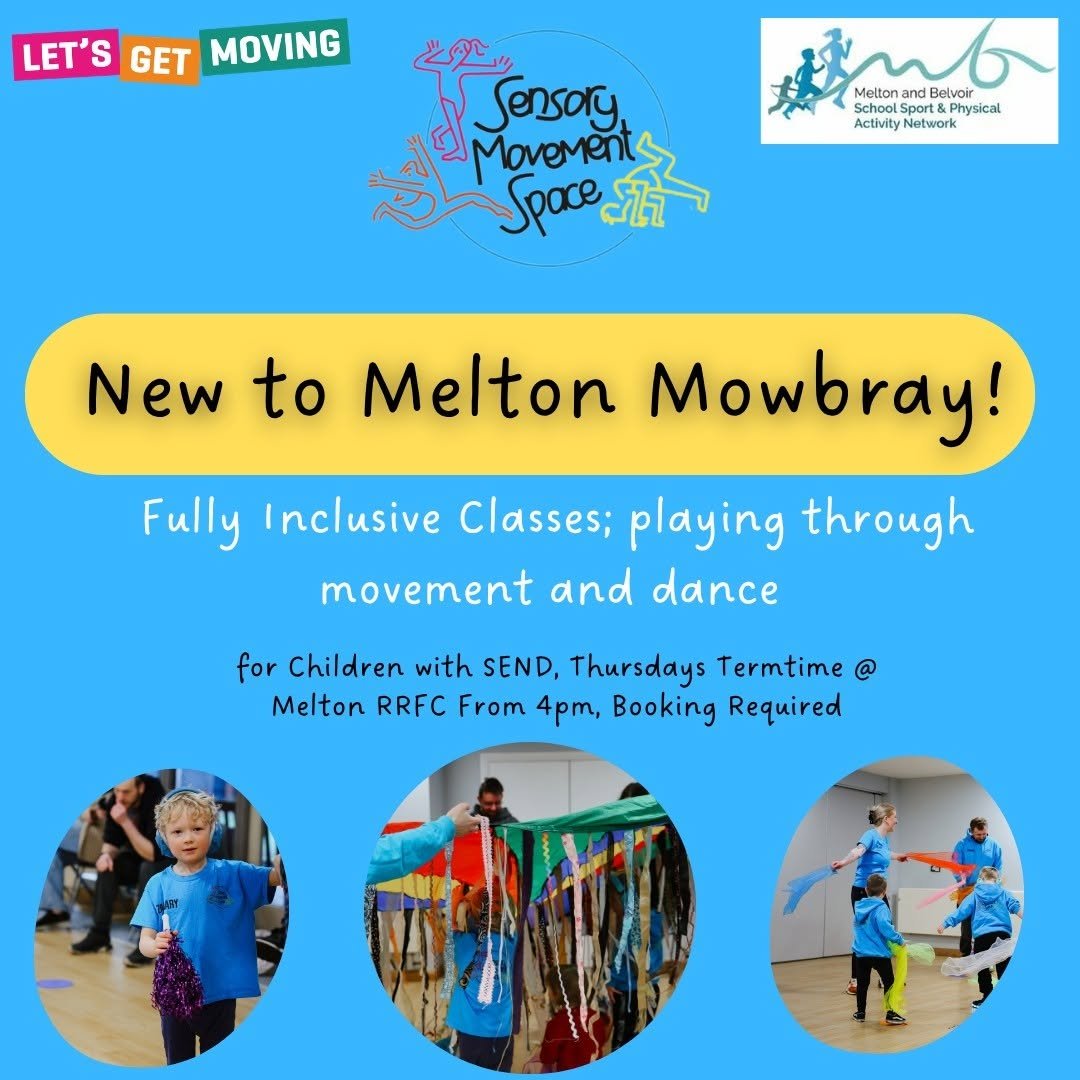
- Sensory Movement Space has employed a new teacher to deliver a new established a community-based session in Melton, creating sustainable pathways for young people to transition from school-based activities into community sport and we have plans to create school holiday activities in the future.
School Delivery Success
- Since being introduced to the Melton area schools have arranged for Ella to deliver in 4 school and pre-schools including Oasis Preschool, Little Robins Preschool, Swallowdale School and Sherard School.
- Delivering the programme over a continuous 6-week block in Birch Wood School enabled children to develop familiarity, routine and predictability. By Week 3, participants were more confident, engaged and able to participate independently in activities.
- Consistent staffing throughout the delivery helped establish trust and predictability, enabling children to feel more secure and confident in the sessions and supporting sustained participation.
Challenges
Areas for improvement
- Smaller activity spaces were found to be more effective in maintaining engagement. Larger spaces led to increased distractions and unstructured movement, reducing participation in planned activities.
- Shorter activity blocks supported children's attention and engagement more effectively.
- Keeping unnecessary equipment out of sight and ensuring a clear activity space helped participants remain focused on the session content.
- Allowing adequate time for cool-down and decompression is essential. A minimum of 10 minutes post-activity supports emotional regulation, reduces overstimulation and enables a calmer transition back to the classroom environment.
- School staff engagement is key!
Sustainability
The partnership work with Sensory Movement Space has established strong links with schools and community providers, creating ongoing opportunities for children with SEND to engage in physical activity beyond the events themselves. Learning from the initial delivery has enabled the programme to be adapted and embedded within school settings, while the development of a community-based session in Melton provides a sustainable exit route from school into community participation. Additional funding secured through the Trumpton Fund has further supported the long-term sustainability of the programme by providing equipment for future delivery.
Top tips
Top tips
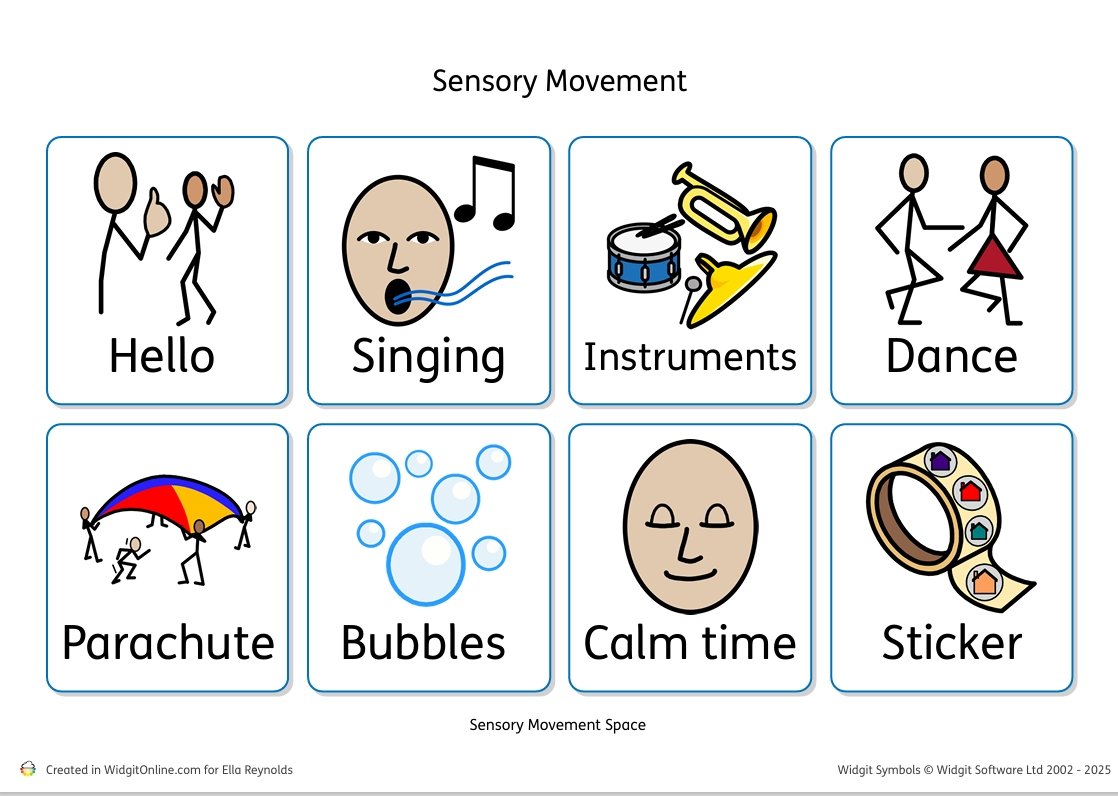
- Provide a visual timetable for each session using Widget Symbols and encourage the use of Makaton and share key information with schools in advance to help children with SEND understand what to expect and reduce anxiety.
- The combination of predictable routines, targeted sensory experiences and familiar staff has created a positive environment in which children can explore movement, develop physical literacy and build confidence.
- The 6 week school based sessions have demonstrated that structured, sensory-informed physical activity delivered consistently over time can significantly increase engagement, confidence and participation.
- Activities lasting 2–3 minutes were particularly successful, and we recommend limiting sessions to a maximum of 45 minutes.
- Reducing environmental distractions would further improve engagement.