Swimming and Aquatics
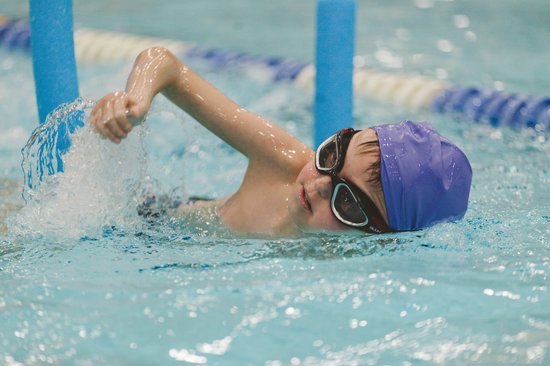
What is swimming and aquatics?
Aquatic sport includes swimming, water polo, diving, artistic swimming, open-water and other pathways. It’s the only sport that can save lives through the water safety skills that are taught. Aquatic sport offers the participants the opportunity to have fun in the water, improve health and wellbeing and choose whether they prefer to take part individually or within a team. Swimming and water safety are part of the national curriculum for PE at Key Stages 1 and 2.
The School Games format for aquatics includes resources that encourage healthy competition and skill development in primary school children of all abilities. Swim England, swimming’s national governing body, provides supplementary resources and guidance on how schools can run or get involved in aquatic activities throughout the year to continue pupils’ skill development.
The activities on offer align with the national curriculum requirements for swimming, helping pupils to develop essential skills in a fun yet structured way, and schools to meet their PE attainment targets. They can be delivered in group swimming lesson environments with minimal or basic equipment, that is readily available at most swimming pools.
Primary formats
Primary KS2 Water Safety Festival: This water safety festival focuses on each pupil having fun in the water whilst learning key safe self-rescue skills and practices. A range of activities have been created to take KS2 through water safety messaging, linking closely with the primary school national curriculum outcomes. It provides the pupils with an opportunity to highlight and discuss local dangers in and around their local waterways.
Primary KS2 Aquasplash Festival: The Aquasplash Festival focuses on each pupil having the opportunity to engage in a fun Aquasplash Festival. With the opportunity to work as a team or individually, it focuses on building water confidence and core aquatic skills.
Primary KS2 Aquatics Relays Festival: The aquatic relay festival focuses on a competitive element with more of a structured relay approach. Encouraging communication skills, advanced swimming skills and swimming larger distances.
Secondary format
Secondary Aquatics Festival: The secondary school Aquatics Festival creates an opportunity for competition amongst pupils. Encouraging either an individual or team approach. Pupils will explore teamwork, communication, and water confidence. The festival provides them with the opportunity to practice and demonstrate a range of swimming strokes and skills.
SEND format
Primary SEND Swimming Festival: The SEND Swimming Festival allows pupils to engage in various activities either as an individual or as a team. With varying activities to encourage teamwork, communication, water confidence and being safe in and around the water. The SEND festival links closely with the KS2 national curriculum outcomes.
Equipment needed
- Access to a swimming pool
- Small & large floats (play mats)
- Various play equipment (e.g. egg flips, sinkers, small/large hoops, small/large hoops)
- Water polo balls
Get involved
The School Games is inclusive to all young people and provides opportunities for everyone to get involved, either within school, against other local schools, or at county or regional level.
School Games Organisers
School Games Organisers (SGO) help schools coordinate appropriate competitive opportunities for all young people from Key Stage 2-4, to recruit, train and deploy a suitable workforce, and to support the development of club.
Sign up to find your local SGOSchool Games formats
Learn more about the School Games formats suitable for swimming and aquatics competitions:
Primary Swimming Formats
Swimming School Games formats for both intra and inter competitions, suitable for primary settings.
Secondary Swimming Formats
Swimming School Games formats for both intra and inter competitions, suitable for secondary settings.
SEND Swimming Formats
SEND-specific netball School Games formats for both intra and inter competitions, suitable for primary and secondary settings.